Antioxidant
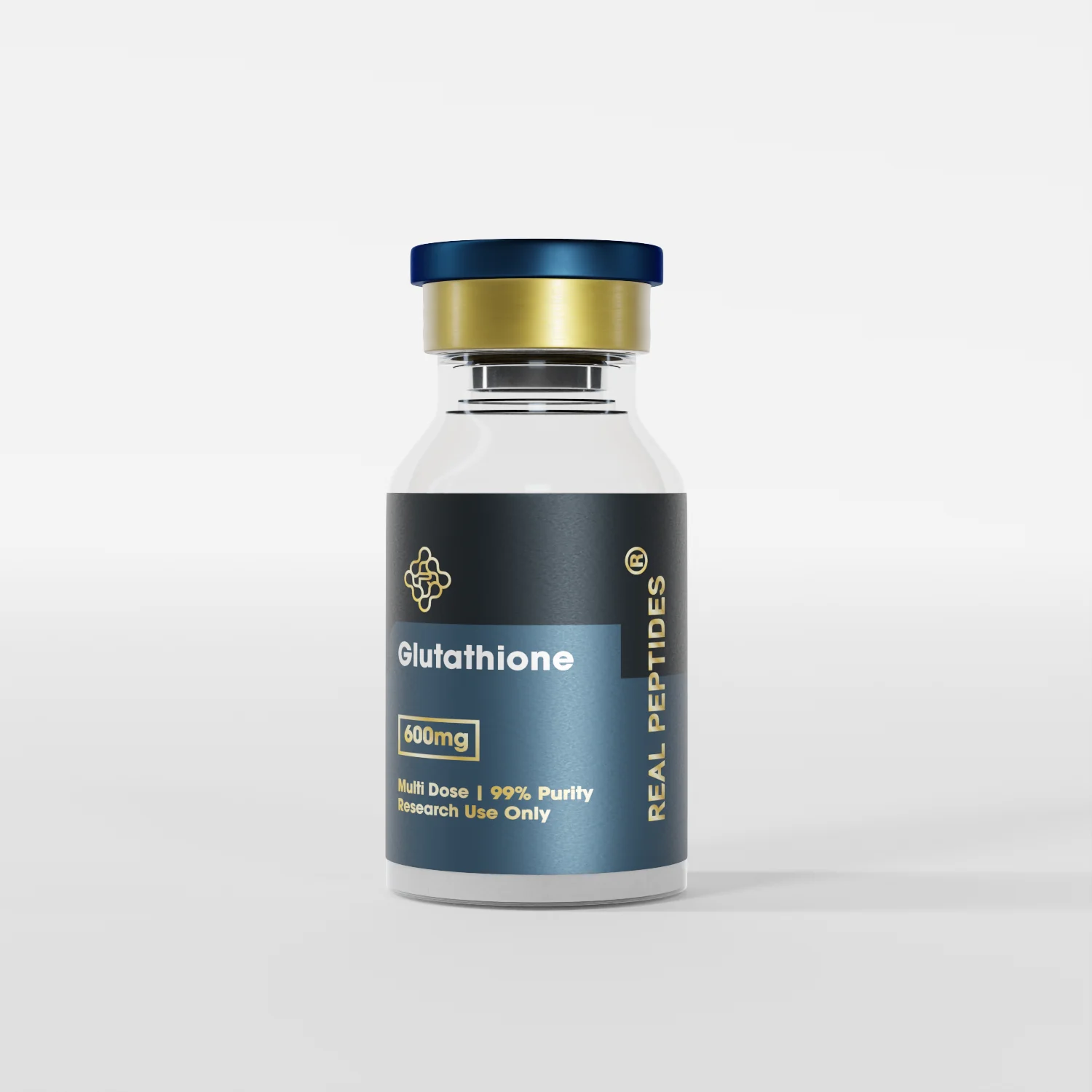
Glutathione FDA status in 2026: no injectable approved for wellness or skin use, the August 2026 warning letters, the July 2026 votes and what to watch.
On 24 August 2026 FDA sent warning letters to five online peptide vendors and said a "research use only" label does not settle whether a product is an unapproved drug. That statement shapes glutathione FDA status for every vendor selling it online, even though glutathione's own position is simpler: no injectable glutathione product is FDA-approved for the wellness or skin-brightening uses it is marketed for.
This page sets out where glutathione stands, how it fits into the wider 2023 to 2026 peptide timeline, and what to watch. We follow these notices closely and update the site when something changes.
Neither the FDA nor any regulatory agency has authorized the use of glutathione in injections for health or skin whitening purposes, and some companies market it as a research chemical instead. Meanwhile, oral glutathione is sold as a dietary supplement and thus governed by different regulations.
The glutathione FDA picture therefore depends on the form. FDA has also warned about injectable skin-lightening products sold online. Glutathione is one of the compounds most often marketed that way, so that warning applies directly to a large part of the glutathione market. Our glutathione skin lightening page covers it in detail.
The large peptide industry witnessed significant regulatory changes during the time period between 2023 to 2026. Glutathione was, however, absent from these events, which impacted the ways the parties do business.
| Date | Event | Relevance to glutathione buyers |
|---|---|---|
| September 2023 | FDA placed several peptides, including BPC-157 and TB-500, in Category 2 of its interim bulk-substances lists | Showed FDA would restrict compounding of popular peptides during safety review |
| 23-24 July 2026 | FDA's Pharmacy Compounding Advisory Committee voted to recommend six peptides for the 503A bulks list, including MOTS-c and epithalon | Glutathione was not among the six; the votes are non-binding |
| 24 August 2026 | Warning letters to five online peptide vendors for selling unapproved new drugs | FDA judges the whole website, not just the label |
A draft policy easing enforcement on six compounded peptides was reported in late October 2026. It is a draft, not a final rule.
According to the August 2026 correspondence, the term "research use only" has undergone significant changes in definition. It is no longer possible to use it as protection when the accompanying vendor's website directs you to the notion of intended human use. FDA saw disease claims, dosing recommendations, reconstitution calculators, and bacteriostatic water sold next to medications as the proof of the human use intention.
The products named in those letters included semaglutide, tirzepatide, retatrutide and others. The lesson reaches beyond them. Any vendor selling glutathione powder with dosing charts or skin-lightening promises fits the pattern FDA described.
That is the standard this site follows, which is why our glutathione dosage page contains no numbers.
Clinics that provide glutathione injections and drips use pharmacy-manufactured substances, and their legal position is another issue from the research-vial industry. The advisory committee met in July 2026 but did not decide on glutathione, so votes that made the news about MOTS-c (8-6 with one abstention) and epithalon (7-4) were irrelevant.
For the six peptides that were recommended, FDA still has to decide and then run proposed and final rulemaking with public comment. As of the July meeting, none of the six had been added and compounding them was not yet permitted. Our longevity research compounds page covers MOTS-c and epithalon in more detail.
Every individual that is receiving glutathione treatment in a hospital should inquire about the source of the product as well as consult their physician to see if it is the proper treatment for them.
The key points to monitor are FDA’s concluding decisions on the recommendations made in July 2026 and whether the draft policy on enforcement that was announced in late October 2026 will become final. Either of these two factors could influence the compounded-peptides business, located adjacent to the glutathione market.
For the glutathione FDA question specifically, watch for further FDA action on online injectable skin-lightening products, and for how research vendors adjust their sites after the August letters. I check vendor pages for dosing content and disease claims as a matter of routine, and the research listing on our buy page carries the product, price and COA, nothing more.
On 24 August 2026 FDA sent warning letters to five online peptide vendors and said a "research use only" label does not settle whether a product is an unapproved drug. That statement shapes glutathione FDA status for every vendor selling it online, even though glutathione's own position is simpler: no injectable glutathione product is FDA-approved for the wellness or skin-brightening uses it is marketed for.
This page sets out where glutathione stands, how it fits into the wider 2023 to 2026 peptide timeline, and what to watch. We follow these notices closely and update the site when something changes.
Neither the FDA nor any regulatory agency has authorized the use of glutathione in injections for health or skin whitening purposes, and some companies market it as a research chemical instead. Meanwhile, oral glutathione is sold as a dietary supplement and thus governed by different regulations.
The glutathione FDA picture therefore depends on the form. FDA has also warned about injectable skin-lightening products sold online. Glutathione is one of the compounds most often marketed that way, so that warning applies directly to a large part of the glutathione market. Our glutathione skin lightening page covers it in detail.
The large peptide industry witnessed significant regulatory changes during the time period between 2023 to 2026. Glutathione was, however, absent from these events, which impacted the ways the parties do business.
| Date | Event | Relevance to glutathione buyers |
|---|---|---|
| September 2023 | FDA placed several peptides, including BPC-157 and TB-500, in Category 2 of its interim bulk-substances lists | Showed FDA would restrict compounding of popular peptides during safety review |
| 23-24 July 2026 | FDA's Pharmacy Compounding Advisory Committee voted to recommend six peptides for the 503A bulks list, including MOTS-c and epithalon | Glutathione was not among the six; the votes are non-binding |
| 24 August 2026 | Warning letters to five online peptide vendors for selling unapproved new drugs | FDA judges the whole website, not just the label |
A draft policy easing enforcement on six compounded peptides was reported in late October 2026. It is a draft, not a final rule.
According to the August 2026 correspondence, the term "research use only" has undergone significant changes in definition. It is no longer possible to use it as protection when the accompanying vendor's website directs you to the notion of intended human use. FDA saw disease claims, dosing recommendations, reconstitution calculators, and bacteriostatic water sold next to medications as the proof of the human use intention.
The products named in those letters included semaglutide, tirzepatide, retatrutide and others. The lesson reaches beyond them. Any vendor selling glutathione powder with dosing charts or skin-lightening promises fits the pattern FDA described.
That is the standard this site follows, which is why our glutathione dosage page contains no numbers.
Clinics that provide glutathione injections and drips use pharmacy-manufactured substances, and their legal position is another issue from the research-vial industry. The advisory committee met in July 2026 but did not decide on glutathione, so votes that made the news about MOTS-c (8-6 with one abstention) and epithalon (7-4) were irrelevant.
For the six peptides that were recommended, FDA still has to decide and then run proposed and final rulemaking with public comment. As of the July meeting, none of the six had been added and compounding them was not yet permitted. Our longevity research compounds page covers MOTS-c and epithalon in more detail.
Every individual that is receiving glutathione treatment in a hospital should inquire about the source of the product as well as consult their physician to see if it is the proper treatment for them.