Antioxidant
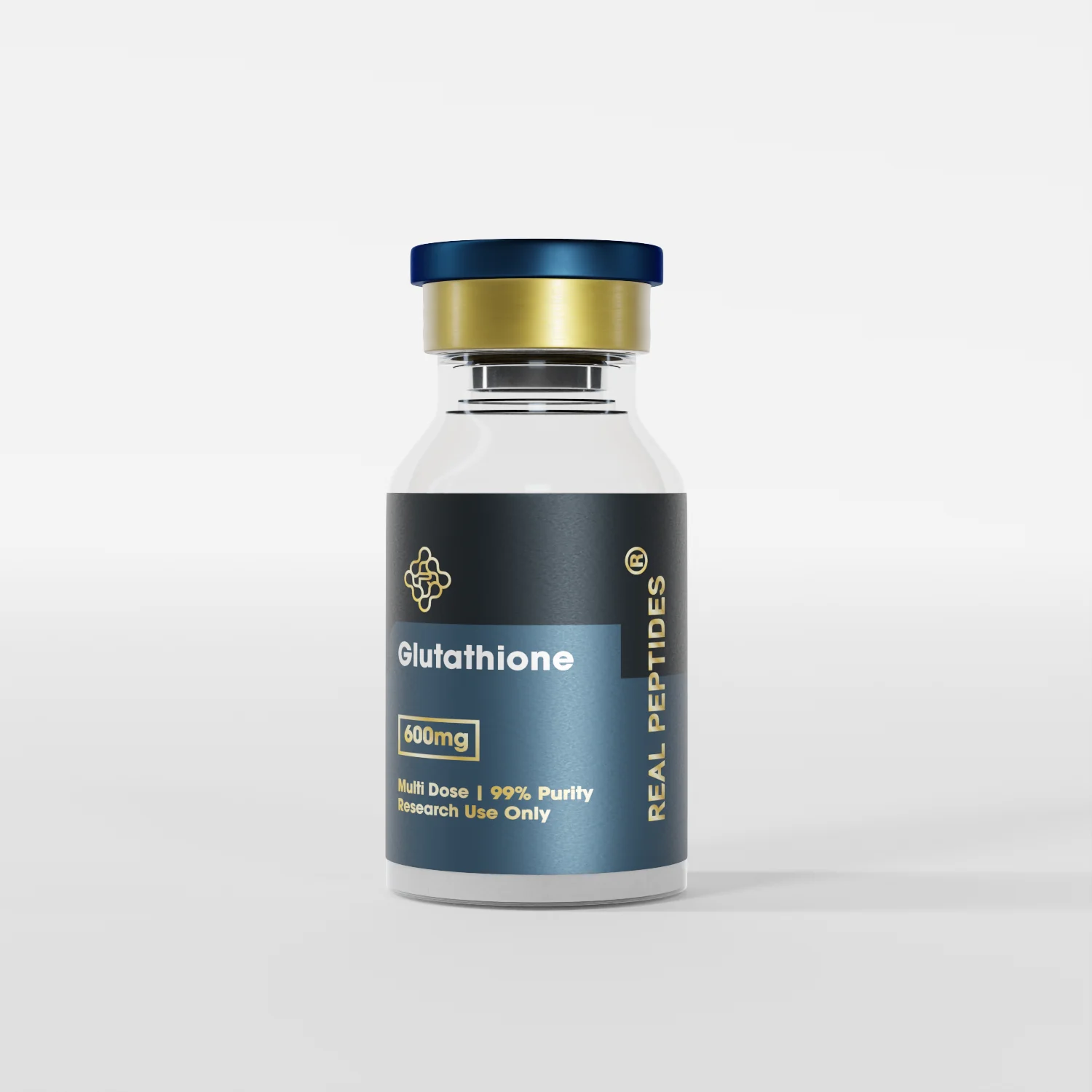
Glutathione injection benefits checked against the evidence: what clinics claim for skin and wellness, what lab research shows, and what is unproven.
In published research, the majority of participants tolerated supplementation without serious adverse events. Most side effects were mild, transient, and self-resolving.
There are currently no FDA-approved injectable glutathione products for wellness or “skin brightening” purposes, as advertised in clinic menus; nonetheless, glutathione injections are being marketed heavily in med-spas and over the internet. The contradiction between the two statements is what this page is dedicated to. In other words, we take the frequent claims and subsequently compare them with the current scientific evidence.
I read vendor facts, clinic brochures and FDA bulletins, and the pattern is clear: the promotion is way ahead of the clinical proof. Anything here should not be considered as medical instruction or recommendation, and the scientific-grade glutathione available on this site can be used only for research work.
It is common for both type of medical facilities to market glutathione injections as a means to improve skin color, "detoxify" the body and promote energy or a general sense of wellbeing. Most visible of the above claims is the one about "skin whitening" and it is also the one regulators have been most open about.
It is rare when clinic pages that discuss the advantages of glutathione injections do not mix wellness and medical language. The statement is usually made without citing a controlled human trial. There is some logic behind this thought: glutathione is the body’s own antioxidant that combats oxidative stress, so an injection of extra glutathione should be helpful.
What is established science about glutathione is its function inside the cell. It is an antioxidant tripeptide which is produced by the body and is involved in the neutralization of reactive molecules. This information is ordinary biochemistry and does not raise any objections.
However, what the scientific literature does not clarify is if the addition of glutathione from external sources through injections or infusions brings the benefits that doctors propose for healthy individuals. Most of the studies conducted in support of this idea are laboratory studies, where scientists obtain the results under conditions that differ greatly from those of the human body. Thus, there are no results of multi-centred clinical studies that would really confirm the aforementioned advantages of the injections of glutathione in terms of energy, skin health and age.
For background on the molecule itself, see what is glutathione.
The outcomes observed in a study with an organism or food product do not provide information regarding the outcomes that will occur when the same molecule enters the human body. The human body is capable of maintaining levels of glutathione, breaking down incoming molecules, and synthesizing more glutathione from its ingredients. Thus, just because glutathione is taken externally, it does not mean that levels automatically rise or are maintained at that increased level.
This restriction applies throughout the area of research compound. As an instance, MOTS-c and Epithalon have been tested mainly in animals, and although FDA’s advisory votes in favor of these compounds in July 2026 were about access to compounding, there was no proof about their effectiveness. In the case of glutathione, the jump from “antioxidant within the cell” to “visible benefits post-treatment” is much bigger than the majority of marketing claims suggest.
Some glutathione marketing goes beyond wellness and implies the product treats or prevents disease. That is where marketing becomes a regulatory problem. In August 2026 FDA wrote to five online peptide vendors and named disease claims as one of the signs that a product was meant for human use as a drug, whatever its label said.
In regard to research vendors, the existence of a disease claim questions the so-called research only position. From the perspective of the buyer, the presence of such a claim serves as a warning sign that if a seller is willing to make such claims about cures, he must not be very careful testing either the purity of the product or its lot. We do not claim cures for the products on the website and recommend that whoever does be treated with caution.
Skin lightening deserves its own note, because FDA has warned specifically about injectable skin-lightening products sold online. Our glutathione skin lightening page covers what regulators have said.
The fastest way to check the validity of a claim regarding the effectiveness of glutathione is to find out what evidence supports that claim. The majority of claims fail at the first question.
If you are weighing glutathione for your own health, your doctor is the right person to ask, and they can also tell you about the risks covered on our glutathione injection side effects page. Lab buyers can compare the research-grade product on the glutathione peptide page.
There are currently no FDA-approved injectable glutathione products for wellness or “skin brightening” purposes, as advertised in clinic menus; nonetheless, glutathione injections are being marketed heavily in med-spas and over the internet. The contradiction between the two statements is what this page is dedicated to. In other words, we take the frequent claims and subsequently compare them with the current scientific evidence.
I read vendor facts, clinic brochures and FDA bulletins, and the pattern is clear: the promotion is way ahead of the clinical proof. Anything here should not be considered as medical instruction or recommendation, and the scientific-grade glutathione available on this site can be used only for research work.
It is common for both type of medical facilities to market glutathione injections as a means to improve skin color, "detoxify" the body and promote energy or a general sense of wellbeing. Most visible of the above claims is the one about "skin whitening" and it is also the one regulators have been most open about.
It is rare when clinic pages that discuss the advantages of glutathione injections do not mix wellness and medical language. The statement is usually made without citing a controlled human trial. There is some logic behind this thought: glutathione is the body’s own antioxidant that combats oxidative stress, so an injection of extra glutathione should be helpful.
What is established science about glutathione is its function inside the cell. It is an antioxidant tripeptide which is produced by the body and is involved in the neutralization of reactive molecules. This information is ordinary biochemistry and does not raise any objections.
However, what the scientific literature does not clarify is if the addition of glutathione from external sources through injections or infusions brings the benefits that doctors propose for healthy individuals. Most of the studies conducted in support of this idea are laboratory studies, where scientists obtain the results under conditions that differ greatly from those of the human body. Thus, there are no results of multi-centred clinical studies that would really confirm the aforementioned advantages of the injections of glutathione in terms of energy, skin health and age.
For background on the molecule itself, see what is glutathione.
The outcomes observed in a study with an organism or food product do not provide information regarding the outcomes that will occur when the same molecule enters the human body. The human body is capable of maintaining levels of glutathione, breaking down incoming molecules, and synthesizing more glutathione from its ingredients. Thus, just because glutathione is taken externally, it does not mean that levels automatically rise or are maintained at that increased level.
This restriction applies throughout the area of research compound. As an instance, MOTS-c and Epithalon have been tested mainly in animals, and although FDA’s advisory votes in favor of these compounds in July 2026 were about access to compounding, there was no proof about their effectiveness. In the case of glutathione, the jump from “antioxidant within the cell” to “visible benefits post-treatment” is much bigger than the majority of marketing claims suggest.
Some glutathione marketing goes beyond wellness and implies the product treats or prevents disease. That is where marketing becomes a regulatory problem. In August 2026 FDA wrote to five online peptide vendors and named disease claims as one of the signs that a product was meant for human use as a drug, whatever its label said.
In regard to research vendors, the existence of a disease claim questions the so-called research only position. From the perspective of the buyer, the presence of such a claim serves as a warning sign that if a seller is willing to make such claims about cures, he must not be very careful testing either the purity of the product or its lot. We do not claim cures for the products on the website and recommend that whoever does be treated with caution.
Skin lightening deserves its own note, because FDA has warned specifically about injectable skin-lightening products sold online. Our glutathione skin lightening page covers what regulators have said.