Antioxidant
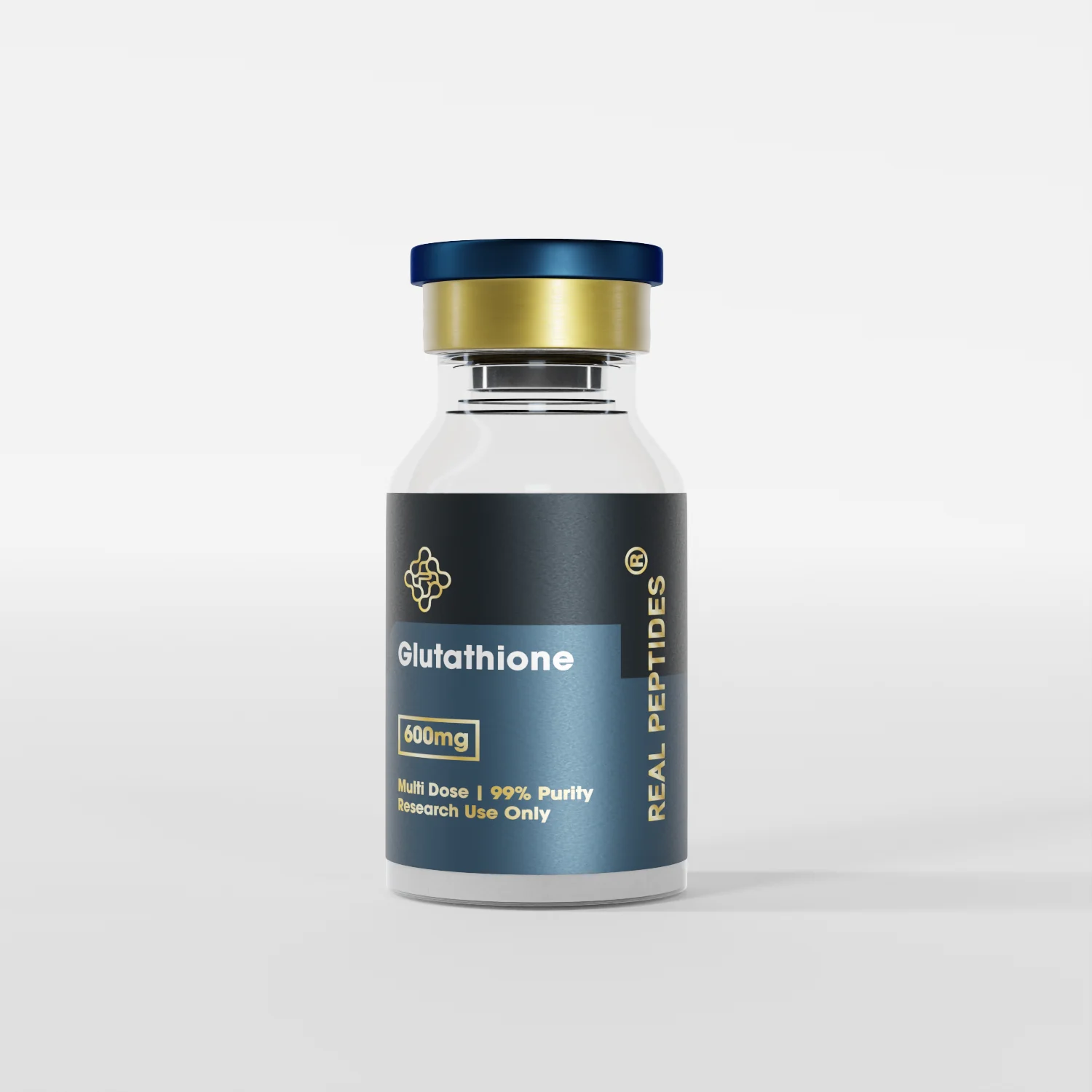
Glutathione injection side effects: what is documented, general risks of any injectable, the unknowns of online products and a comparison with NAD+ drips.
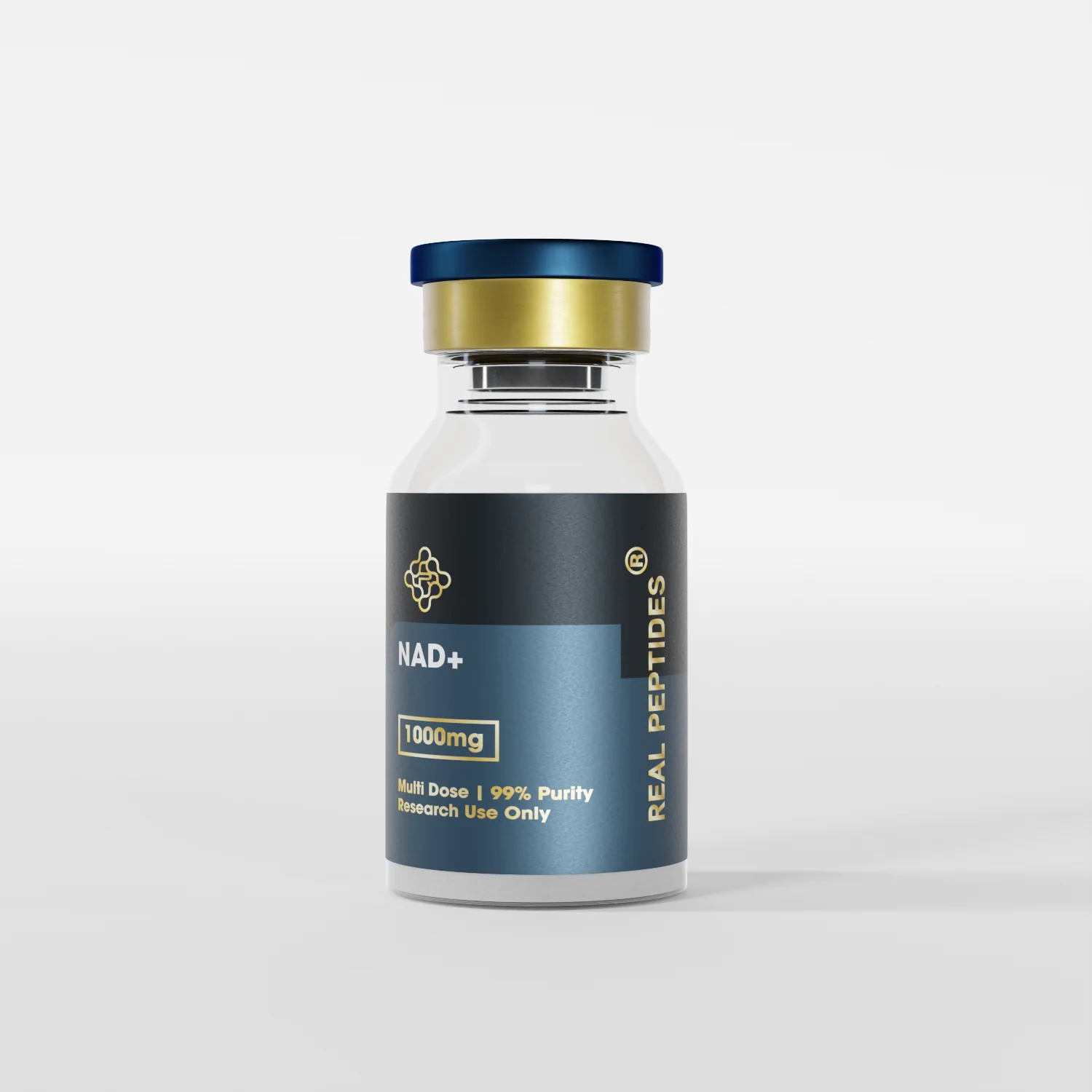
Most reported side effects are mild and temporary. Common reactions include flushing, nausea, headache and injection-site redness. If symptoms persist or worsen, stop use and consult a healthcare provider.
The Federal Drug Administration has cautioned against the sale of skin-whitening injections made available in online stores, with glutathione being the most marketed of all the products. This warning represents the loudest official message regarding the side effects of glutathione injections within the United States. The danger of such products is greater owing to their unregulated production, rather than the compounds being injected.
The data on the safety of glutathione injections from controlled studies in healthy individuals is limited, so the information provided in this report is done so with care. We will discuss the general risks of all injectable treatments and the specific uncertainties associated with the products you find online, and also compare this with the safety of NAD+ infusion. It is important to stress that no injectable glutathione products have received approval for medical use or for use in the field of skin care by the FDA.
What is known is restricted, as substantial controlled studies on glutathione injections for wellness or skin use have not been presented. Most of the information circulating on the internet comes from clinical promotion or personal testimony and both of these sources do not provide a truthful account of side effects.
The lack of data is, in itself, an important insight. A procedure that has been used in many med-spas and lacks a solid safety record ought to raise serious concerns and should be performed by a doctor knowing the patient's history. I wouldn’t take any list of “mild, rare” adverse effects found on a clinic webpage for granted.
As there is no objective scientific data available yet about glutathione injection side effects, any information on this subject can only be considered partial information. Here, we sell a research chemical known as glutathione, and it is described as unfit for ingestion. Thus, we do not provide any information about its use in humans.
Any injectables, including IV drips, have universal risks unrelated to glutathione itself. This is standard medical knowledge, applicable to any injectable procedure offered by clinics.
It is mandated by law that a certified facility check on these threats before making any sale. These tests must be paid for by a client, but they are usually missing if they are buying something from the internet.
Injectables sold over the Internet have an additional risk factor because the purchaser is unable to confirm whether the products are sterile or not, what they contain and how potent they are. The FDA’s alert regarding skin-lightening injectable products dispenses this very point.
The August 2026 warning letters from the agency to five online peptide sellers gave further details on this issue. The FDA said it evaluates entire websites, including information about dosage instructions, reconstitution calculators, and bacteriostatic water sold beside the injectables, to determine that the product is intended for human use. So, the supplier that provides such things sells an unauthorized drug, according to the FDA, and has not met the requirements of an approved product.
A third-party COA tells a lab buyer about identity and purity for one lot. It does not make a research powder sterile or suitable for a person. Our FDA status page explains the regulatory side in more detail.
In terms of clinic-reported reactions, NAD+ IV drips are better defined than glutathione. For instance, when NAD+ IV is given rapidly, flushing, nausea, tightness in the chest or cramping are reported often. This is not reflected in glutathione literature, which means indicator of the lesser amount of documentation, not safety issues.
| Point | Glutathione injection or IV | NAD+ IV |
|---|---|---|
| FDA-approved for wellness use | No | No |
| Clinic-reported reactions | Not well documented | Flushing, nausea, chest tightness, cramping if given fast |
| Controlled human safety data | Limited | Limited |
| Main extra risk online | Unverified sterility and contents | Unverified sterility and contents |
Clinics often offer both drips on the same menu. Our glutathione vs NAD+ page compares the two compounds more broadly.
It is important for individuals looking to receive glutathione injections to speak with their physician first. Some individuals must do so urgently, especially if they are pregnant or breastfeeding, have chronic illness, take regular medication, or have a history of allergies.
A doctor can weigh the general injection risks against the thin evidence for benefit, which we cover on the glutathione injection benefits page. They can also tell a patient whether a given clinic is set up to handle a reaction if one happens.
We provide catalogues of research-grade substances meant for laboratory buyers. If you are interested in personal health, do not resort to a vendor page like this.
The Federal Drug Administration has cautioned against the sale of skin-whitening injections made available in online stores, with glutathione being the most marketed of all the products. This warning represents the loudest official message regarding the side effects of glutathione injections within the United States. The danger of such products is greater owing to their unregulated production, rather than the compounds being injected.
The data on the safety of glutathione injections from controlled studies in healthy individuals is limited, so the information provided in this report is done so with care. We will discuss the general risks of all injectable treatments and the specific uncertainties associated with the products you find online, and also compare this with the safety of NAD+ infusion. It is important to stress that no injectable glutathione products have received approval for medical use or for use in the field of skin care by the FDA.
What is known is restricted, as substantial controlled studies on glutathione injections for wellness or skin use have not been presented. Most of the information circulating on the internet comes from clinical promotion or personal testimony and both of these sources do not provide a truthful account of side effects.
The lack of data is, in itself, an important insight. A procedure that has been used in many med-spas and lacks a solid safety record ought to raise serious concerns and should be performed by a doctor knowing the patient's history. I wouldn’t take any list of “mild, rare” adverse effects found on a clinic webpage for granted.
As there is no objective scientific data available yet about glutathione injection side effects, any information on this subject can only be considered partial information. Here, we sell a research chemical known as glutathione, and it is described as unfit for ingestion. Thus, we do not provide any information about its use in humans.
Any injectables, including IV drips, have universal risks unrelated to glutathione itself. This is standard medical knowledge, applicable to any injectable procedure offered by clinics.
It is mandated by law that a certified facility check on these threats before making any sale. These tests must be paid for by a client, but they are usually missing if they are buying something from the internet.
Injectables sold over the Internet have an additional risk factor because the purchaser is unable to confirm whether the products are sterile or not, what they contain and how potent they are. The FDA’s alert regarding skin-lightening injectable products dispenses this very point.
The August 2026 warning letters from the agency to five online peptide sellers gave further details on this issue. The FDA said it evaluates entire websites, including information about dosage instructions, reconstitution calculators, and bacteriostatic water sold beside the injectables, to determine that the product is intended for human use. So, the supplier that provides such things sells an unauthorized drug, according to the FDA, and has not met the requirements of an approved product.
A third-party COA tells a lab buyer about identity and purity for one lot. It does not make a research powder sterile or suitable for a person. Our FDA status page explains the regulatory side in more detail.
In terms of clinic-reported reactions, NAD+ IV drips are better defined than glutathione. For instance, when NAD+ IV is given rapidly, flushing, nausea, tightness in the chest or cramping are reported often. This is not reflected in glutathione literature, which means indicator of the lesser amount of documentation, not safety issues.
| Point | Glutathione injection or IV | NAD+ IV |
|---|---|---|
| FDA-approved for wellness use | No | No |
| Clinic-reported reactions | Not well documented | Flushing, nausea, chest tightness, cramping if given fast |
| Controlled human safety data | Limited | Limited |
| Main extra risk online | Unverified sterility and contents | Unverified sterility and contents |
Clinics often offer both drips on the same menu. Our glutathione vs NAD+ page compares the two compounds more broadly.