Free delivery on orders $250+ · Independent rankings · Lab-tested (COA) products only · Prices re-checked November 2026
Reviewed by Marcus Webb · Regulatory & Compliance Analyst
glutathione vs nad

Glutathione vs NAD+: Two Longevity Favorites Compared

Glutathione vs NAD+ compared: antioxidant tripeptide vs energy coenzyme, evidence, research prices from $40.80 to $120.00, FDA position and side effects.

glutathione vs nad

🏆 Compared in this guide

Antioxidant glutathione vs nad
Real Peptides

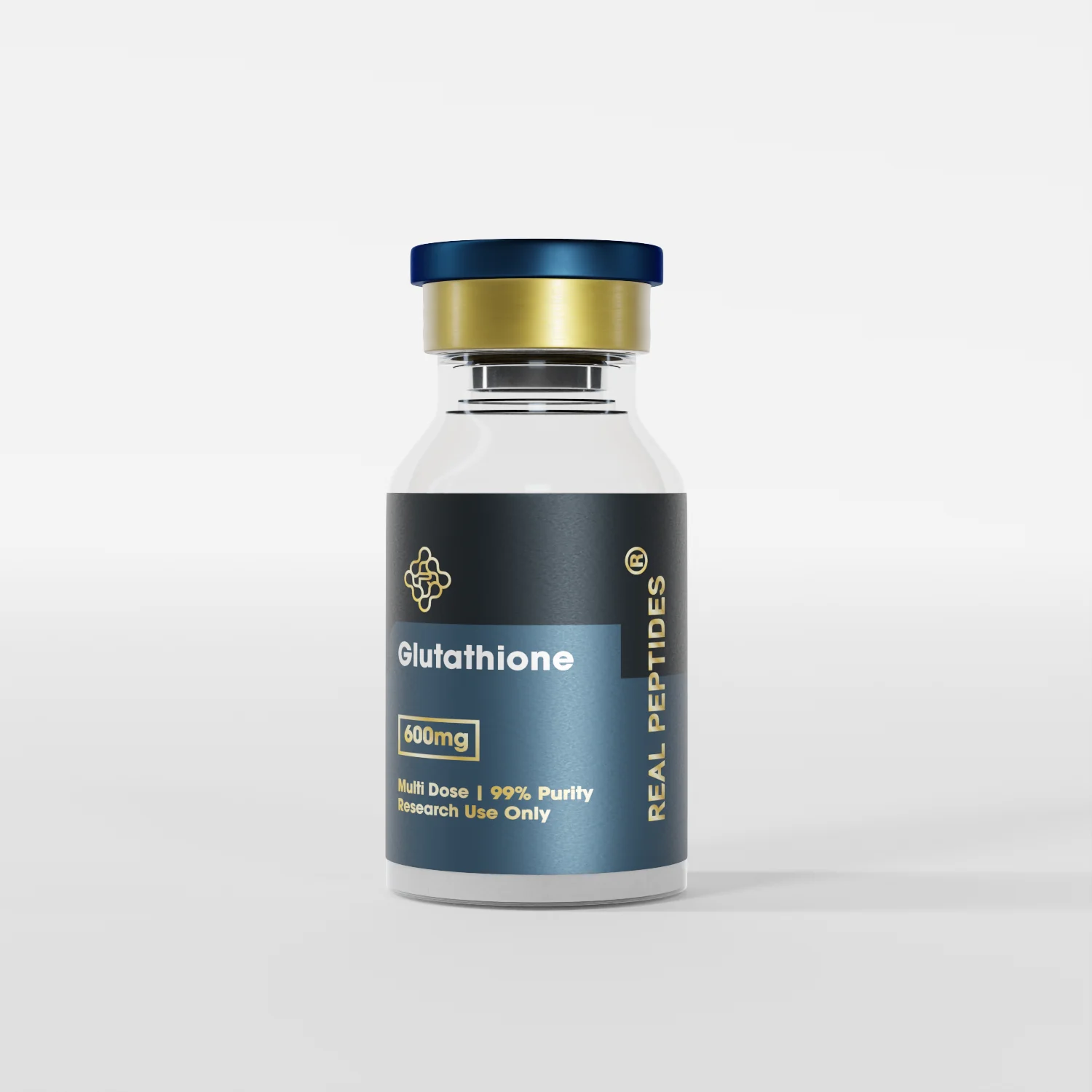
Glutathione Peptide

Glutathione research peptide — a major antioxidant studied for oxidative-stress support. Lab tested, COA published.

Lyophilized powder600mgThird-party COA
Details
Well-studied antioxidant molecule
Published COA per lot
Budget-friendly price
Research use only
Not an NAD+ product — related longevity compound
🚚 Free delivery on orders $250+
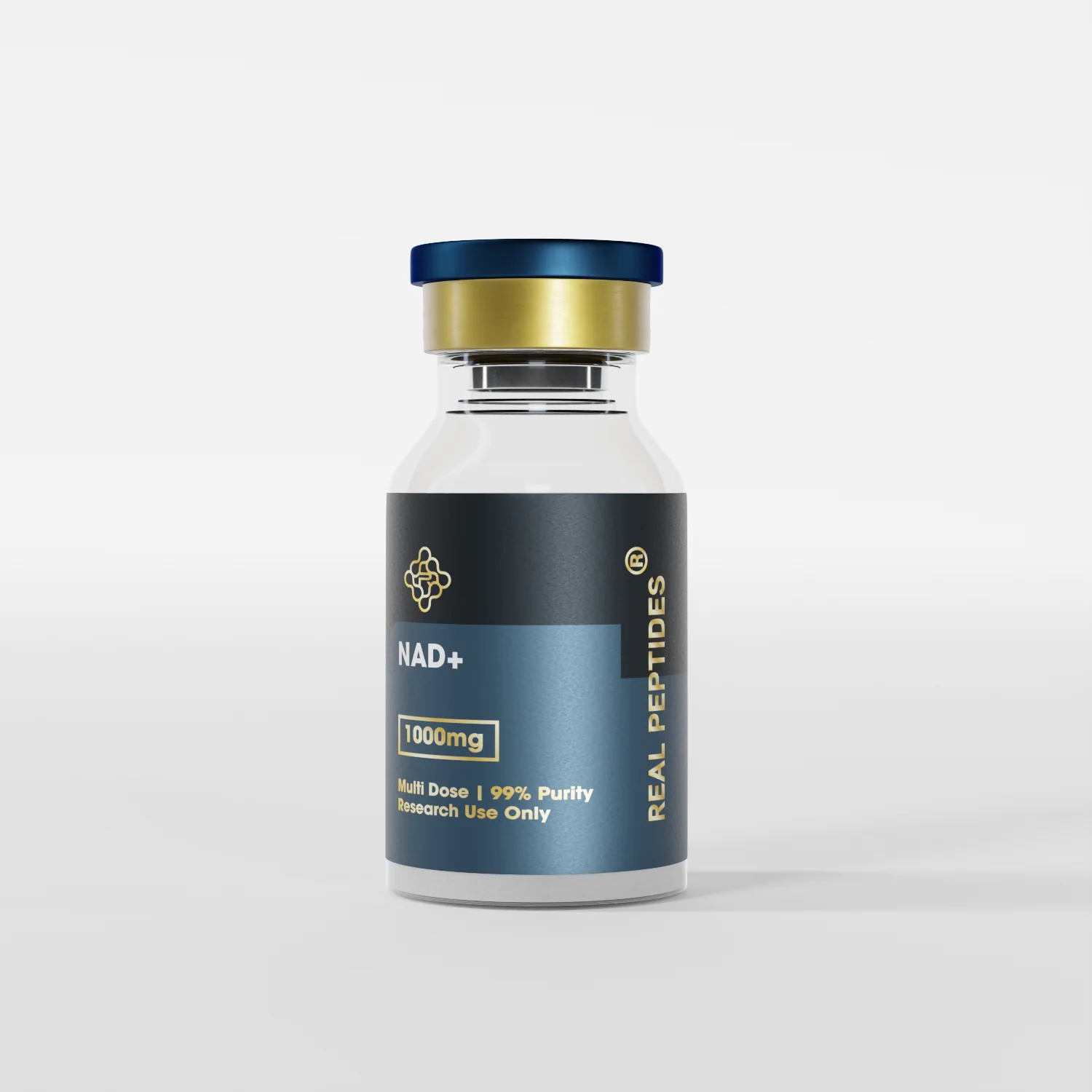
NAD+ glutathione vs nad - NAD+ Peptide (Multi-Dose Vial)
Real Peptides

NAD+ Peptide (Multi-Dose Vial)

NAD+ research peptide in a multi-dose vial. Independent lab tested with COA published per lot. Ships from US stock.

Lyophilized powderThird-party COAUS stock
Details
Published third-party COA
Affordable entry price
Multi-dose vial format
Research use only — not for human consumption
No physician consultation included
🚚 Free delivery on orders $250+

Quick comparison

ProductFormStrengthTestingShippingPrice
Real Peptides Glutathione PeptideLyophilized powder600mgThird-party COA—$40.80
Real Peptides NAD+ Peptide (Multi-Dose Vial)Lyophilized powder—Third-party COAUS stock$60.00

The cheapest option in NAD+ on this site is priced at $60.00 for a multi-dose vial whilst the price of research glutathione is $40.80 for 600 mg. Yet, price is just the beginning of the glutathione and NAD+ comparison process as these two phenomena are both part of many clinic menus and shoppers' baskets but they are different molecules functioning differently inside the cell and having their own regulatory stories.

I have seen frequently that buyers often regard them as equivalent, and suppliers commonly mention in their advertisements that glutathione does not belong to the NAD+ family of products. This page contains the differences between these compounds. Both products here are not classified by the FDA as drugs, which indicates that these compounds are sold strictly for research purposes.

Two different molecules

Glutathione is the antioxidant form of a tripeptide. NAD+, on the other hand, is the coenzyme responsible for energy metabolism in the body. Both compounds exist naturally in our cells of the body and have different roles to perform in our body.

PointGlutathioneNAD+
Type of moleculeTripeptide (three amino acids)Coenzyme
Main role in the cellAntioxidant defenseEnergy metabolism
Made by the bodyYesYes
Age-related declineOften claimed in marketingReported in many studies
Oral optionsGlutathione supplementsPrecursors NMN and NR

Background on glutathione itself is on our what is glutathione page.

Evidence behind each

Both chemicals have solid scientific basis, while they have little controlled human evidence for benefits promoted by clinics. The strongest data regarding NAD+ concern laboratory and animal studies. There is little human evidence on NAD+ injections regarding energy, aging or weight loss claims that controls existed.

glutathione, its antioxidant properties have been well documented, but the claims regarding skin and wellness benefits of these injections and drips have not been established through numerous substantial and controlled trials. The oral form faces one more question: the data regarding the absorption by the body varies.

In discussions concerning glutathione and NAD+, it seems like both fractions refer to cell studies as human studies. This is the most frequent misconception I see in this comparison.

However, neither of them is "better proven" in the manner in which the marketing team suggests. The two treatments have been researched for different purposes, but in both cases, there is no proof that the laboratory results will bring benefits for humans.

Formats and prices side by side

NAD+ comes in more research formats on this site than glutathione, including a needle-free spray. Real Peptides supplies all three listings below, each with a third-party COA and free US shipping on orders over $250.

  • Glutathione Peptide: 600mg lyophilized powder, $40.80 (about 6.8 cents per mg)
  • NAD+ Peptide (Multi-Dose Vial): lyophilized powder, $60.00
  • NAD+ Peptide Liquid Spray: 1000mg, $120.00 (12 cents per mg)

All three together come to $220.80, just under the free-shipping line. The NAD+ listings note that no physician consultation is included, which is the point: they are research products. In clinics, NAD+ is also offered as IV drips and injections, and telehealth services offer prescription compounded NAD+ injections and nasal sprays after a medical intake.

Regulatory position of each

Both glutathione and injectable NAD+ fall under the category of drugs that have not been approved by the FDA for the purposes of wellness marketing purposes. In addition, glutathione has raised one more flag because the FDA has issued a warning regarding injectable products designed for skin lights sold online while glutathione is heavily marketed for skin whitening purposes.

NAD+ was not among the products named in FDA's August 2026 warning letters to five online peptide vendors. Those letters still matter for both compounds, because FDA said it judges a vendor's whole website, including dosing guidance and bacteriostatic water sold next to injectables. Our glutathione FDA status page covers the timeline.

Side-effect reporting also differs. NAD+ drips are commonly reported to cause flushing, nausea, chest tightness or cramping when given fast. Glutathione's side-effect record is less documented, which we discuss on the side effects page.

Choosing between them for a research project

In research, the selection depends upon the question being researched. Oxidative stress leads to glutathione and energy metabolism leads to NAD+. Price per milligram is not a good way to select either because they are not interchangeable.

A laboratory test comparing the effectiveness of glutathione against that of NAD+ must include an analysis of their forms. Glutathione exists only in powder form while NAD+ has both powder and liquid spray versions. According to consumer reviews, there are various complaints of leaking or missing liquids for NAD+; hence, the delivery of the spray must be properly inspected upon receiving the shipment.

Some labs study both, along with MOTS-c and epithalon, and our longevity research compounds page compares all four. For anyone thinking about either compound for personal health, the conversation belongs with a doctor, and for prescription NAD+ products the prescriber decides what is appropriate.

ℹ️
How we review. We compare each product on the vendor’s own page on the date shown: price, vial size, price per mg, stated purity and whether a batch-specific COA from a third-party lab is published. We do not run lab tests ourselves and we do not test peptides on people. Rankings are updated when prices or COAs change. Last checked: November 2026.
⚠️
Disclaimer. For research and informational purposes only. Not medical advice. Injectable glutathione is not approved by the FDA for human use and is sold for laboratory research only. Some links are affiliate links; they do not change our rankings.

Deep dive

The cheapest option in NAD+ on this site is priced at $60.00 for a multi-dose vial whilst the price of research glutathione is $40.80 for 600 mg. Yet, price is just the beginning of the glutathione and NAD+ comparison process as these two phenomena are both part of many clinic menus and shoppers' baskets but they are different molecules functioning differently inside the cell and having their own regulatory stories.

I have seen frequently that buyers often regard them as equivalent, and suppliers commonly mention in their advertisements that glutathione does not belong to the NAD+ family of products. This page contains the differences between these compounds. Both products here are not classified by the FDA as drugs, which indicates that these compounds are sold strictly for research purposes.

Glutathione is the antioxidant form of a tripeptide. NAD+, on the other hand, is the coenzyme responsible for energy metabolism in the body. Both compounds exist naturally in our cells of the body and have different roles to perform in our body.

PointGlutathioneNAD+
Type of moleculeTripeptide (three amino acids)Coenzyme
Main role in the cellAntioxidant defenseEnergy metabolism
Made by the bodyYesYes
Age-related declineOften claimed in marketingReported in many studies
Oral optionsGlutathione supplementsPrecursors NMN and NR

Background on glutathione itself is on our what is glutathione page.

Both chemicals have solid scientific basis, while they have little controlled human evidence for benefits promoted by clinics. The strongest data regarding NAD+ concern laboratory and animal studies. There is little human evidence on NAD+ injections regarding energy, aging or weight loss claims that controls existed.

glutathione, its antioxidant properties have been well documented, but the claims regarding skin and wellness benefits of these injections and drips have not been established through numerous substantial and controlled trials. The oral form faces one more question: the data regarding the absorption by the body varies.

In discussions concerning glutathione and NAD+, it seems like both fractions refer to cell studies as human studies. This is the most frequent misconception I see in this comparison.

However, neither of them is "better proven" in the manner in which the marketing team suggests. The two treatments have been researched for different purposes, but in both cases, there is no proof that the laboratory results will bring benefits for humans.

NAD+ comes in more research formats on this site than glutathione, including a needle-free spray. Real Peptides supplies all three listings below, each with a third-party COA and free US shipping on orders over $250.

  • Glutathione Peptide: 600mg lyophilized powder, $40.80 (about 6.8 cents per mg)
  • NAD+ Peptide (Multi-Dose Vial): lyophilized powder, $60.00
  • NAD+ Peptide Liquid Spray: 1000mg, $120.00 (12 cents per mg)

All three together come to $220.80, just under the free-shipping line. The NAD+ listings note that no physician consultation is included, which is the point: they are research products. In clinics, NAD+ is also offered as IV drips and injections, and telehealth services offer prescription compounded NAD+ injections and nasal sprays after a medical intake.

Both glutathione and injectable NAD+ fall under the category of drugs that have not been approved by the FDA for the purposes of wellness marketing purposes. In addition, glutathione has raised one more flag because the FDA has issued a warning regarding injectable products designed for skin lights sold online while glutathione is heavily marketed for skin whitening purposes.

NAD+ was not among the products named in FDA's August 2026 warning letters to five online peptide vendors. Those letters still matter for both compounds, because FDA said it judges a vendor's whole website, including dosing guidance and bacteriostatic water sold next to injectables. Our glutathione FDA status page covers the timeline.

Side-effect reporting also differs. NAD+ drips are commonly reported to cause flushing, nausea, chest tightness or cramping when given fast. Glutathione's side-effect record is less documented, which we discuss on the side effects page.

🙋 Glutathione vs NAD+: Two Longevity Favorites Compared — FAQ

Is glutathione better proven than NAD+?
Neither is better proven for the benefits clinics promote. Both have strong basic science and limited controlled human evidence.
Can glutathione replace NAD+ in research?
No. Glutathione is studied for oxidative stress and NAD+ for energy metabolism, so they are not substitutes.
Which NAD+ formats are listed on this site?
A multi-dose research vial at $60.00 and a 1000mg liquid spray at $120.00, both for research use only with no physician consultation.

🛒 Ready to buy?

See our current top glutathione vs nad.

Compare glutathione options