Antioxidant
What is glutathione? A tripeptide of glutamate, cysteine and glycine the body makes as an antioxidant, plus how it reached clinic menus and research labs.
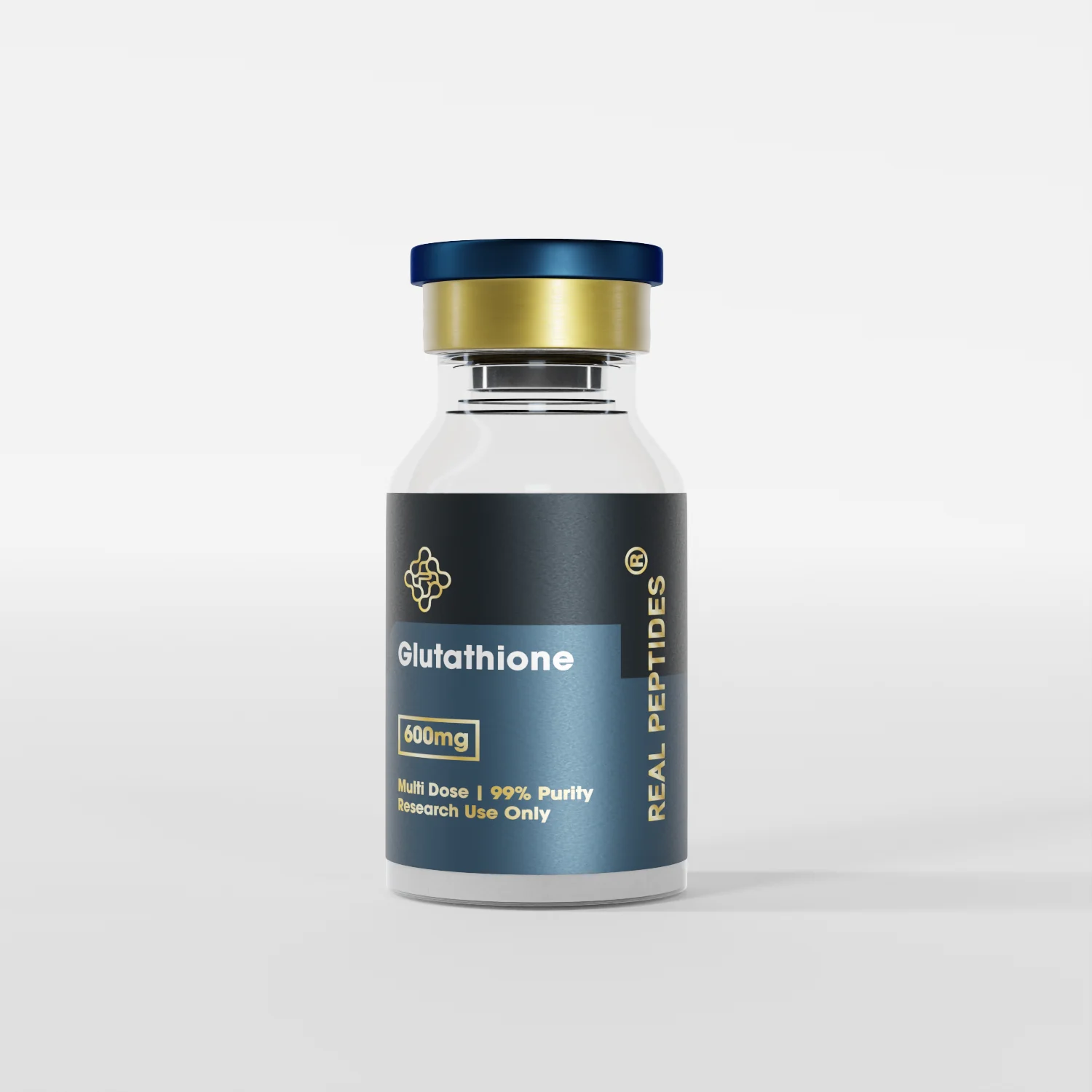
Glutathione is made of only three amino acids, making it possible for commercial scientists to market it as peptide and provide it in 600 mg of powder for only $40.80. What is glutathione in simple words? It is an antioxidant peptide that the human body produces on its own, being present in most living cells.
This straightforward fact is responsible for both its scientific value and its commercial value. This article describes what the molecule is, what it does inside the body, and how it made it to the price lists and research books. We promise that the factual material includes nothing but the science related to the substance and avoid unsubstantiated claims simply stating that glutathione offered as a research chemical is not a medical drug approved by FDA.
Glutathione is a tripeptide made of glutamate, cysteine and glycine joined in a chain. The cysteine carries a sulfur-containing group, and that group is what lets glutathione act as an antioxidant by giving up electrons to reactive molecules.
Due to its small dimensional significance, glutathione is a compound found at the edge of peptide and small molecules; however, suppliers tend to showcase it in the peptide section of shops where its consumers generally search for it. Glutathione is one of the molecules that could be found in the catalog of any biochemist since it is one of the shortest peptides, even shorter than tetrapeptide medication epithalon.
The two primary forms of glutathione are reduced (which is also called GSH), which is the active antioxidant form, and oxidized (which is referred to as GSSG). This oxidized form is simply two glutathione molecules that have linked together after performing their work. The cells keep converting oxidized glutathione to the reduced form.
In studies, the relative proportions are used to determine the level of oxidative stress in cells. This one is an analytical lab value and has nothing to do with consumer action. A product that contains "reduced glutathione" is pointing to the form, not the benefit.
Instead of relying on the supply of the substance through diet, the body synthesizes glutathione from three kinds of amino acids within the body itself. The liver is a key organ in the synthesis of this substance and uses it while dealing with different substances.
Inside cells, glutathione helps neutralise reactive oxygen molecules and supports other antioxidant systems. This is well-established biochemistry. What does not follow from it is that adding glutathione from outside the body improves health in people who already make enough. That second step is where the evidence becomes thin, as our glutathione injection benefits page explains.
Any truthful answer to the question what is glutathione must separate science from the marketing. In my understanding, the confusion regarding glutathione stems from putting these two things together.
Glutathione made its way into the clinic menus thanks to wellness and skin marketing as well as research catalogs, linked through its function in antioxidant research. The two channels are following their routes but never intermingle.
Clinics and med-spas provide glutathione via IV inhalations or injections advertising efficacy in skin brightening and overall wellness. No glutathione injection is FDA-approved for these uses, and the FDA has also warned of online selling of injectable skin whitening products. Glutathione is also sold orally as a dietary supplement, but existing evidence shows disagreement on how much of it the body absorbs.
Research vendors sell glutathione as lyophilized powder with a COA, for laboratory work. Real Peptides lists a 600mg vial at $40.80. Our oral vs injectable glutathione page compares the supplement and injectable worlds.
| Channel | Form | Regulatory position |
|---|---|---|
| Clinic or med-spa | IV drip or injection | Not FDA-approved for wellness or skin use |
| Supplement shelf | Oral capsules or powder | Sold as a dietary supplement |
| Research vendor | Lyophilized powder | Research use only, not for human consumption |
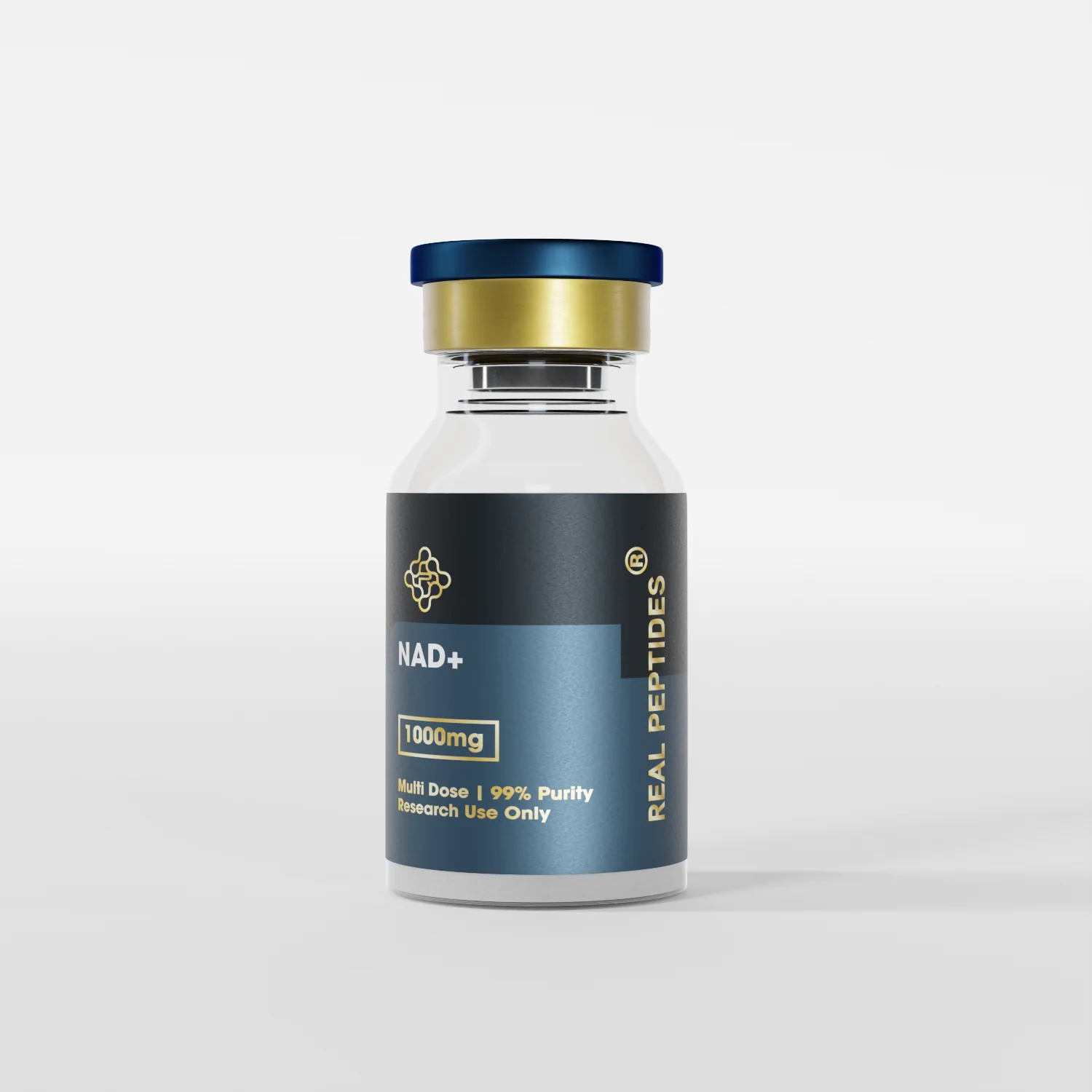
Part of answering what is glutathione is saying what it is not. Glutathione is not NAD+, not a vitamin and not an approved injectable drug for wellness or skin. Buyers mix it up with NAD+ often, because the two sit side by side on clinic menus and longevity shopping lists. They are separate molecules with separate jobs, which we compare on the glutathione vs NAD+ page.
It is also not proven to lighten skin, and regulators treat skin-lightening claims for injectables as a serious concern. If you are thinking about glutathione for your own health, start with your doctor rather than a product page. Lab buyers can see the research-grade listing on the glutathione peptide page.
Glutathione is made of only three amino acids, making it possible for commercial scientists to market it as peptide and provide it in 600 mg of powder for only $40.80. What is glutathione in simple words? It is an antioxidant peptide that the human body produces on its own, being present in most living cells.
This straightforward fact is responsible for both its scientific value and its commercial value. This article describes what the molecule is, what it does inside the body, and how it made it to the price lists and research books. We promise that the factual material includes nothing but the science related to the substance and avoid unsubstantiated claims simply stating that glutathione offered as a research chemical is not a medical drug approved by FDA.
Glutathione is a tripeptide made of glutamate, cysteine and glycine joined in a chain. The cysteine carries a sulfur-containing group, and that group is what lets glutathione act as an antioxidant by giving up electrons to reactive molecules.
Due to its small dimensional significance, glutathione is a compound found at the edge of peptide and small molecules; however, suppliers tend to showcase it in the peptide section of shops where its consumers generally search for it. Glutathione is one of the molecules that could be found in the catalog of any biochemist since it is one of the shortest peptides, even shorter than tetrapeptide medication epithalon.
The two primary forms of glutathione are reduced (which is also called GSH), which is the active antioxidant form, and oxidized (which is referred to as GSSG). This oxidized form is simply two glutathione molecules that have linked together after performing their work. The cells keep converting oxidized glutathione to the reduced form.
In studies, the relative proportions are used to determine the level of oxidative stress in cells. This one is an analytical lab value and has nothing to do with consumer action. A product that contains "reduced glutathione" is pointing to the form, not the benefit.
Instead of relying on the supply of the substance through diet, the body synthesizes glutathione from three kinds of amino acids within the body itself. The liver is a key organ in the synthesis of this substance and uses it while dealing with different substances.
Inside cells, glutathione helps neutralise reactive oxygen molecules and supports other antioxidant systems. This is well-established biochemistry. What does not follow from it is that adding glutathione from outside the body improves health in people who already make enough. That second step is where the evidence becomes thin, as our glutathione injection benefits page explains.
Any truthful answer to the question what is glutathione must separate science from the marketing. In my understanding, the confusion regarding glutathione stems from putting these two things together.
Glutathione made its way into the clinic menus thanks to wellness and skin marketing as well as research catalogs, linked through its function in antioxidant research. The two channels are following their routes but never intermingle.
Clinics and med-spas provide glutathione via IV inhalations or injections advertising efficacy in skin brightening and overall wellness. No glutathione injection is FDA-approved for these uses, and the FDA has also warned of online selling of injectable skin whitening products. Glutathione is also sold orally as a dietary supplement, but existing evidence shows disagreement on how much of it the body absorbs.
Research vendors sell glutathione as lyophilized powder with a COA, for laboratory work. Real Peptides lists a 600mg vial at $40.80. Our oral vs injectable glutathione page compares the supplement and injectable worlds.
| Channel | Form | Regulatory position |
|---|---|---|
| Clinic or med-spa | IV drip or injection | Not FDA-approved for wellness or skin use |
| Supplement shelf | Oral capsules or powder | Sold as a dietary supplement |
| Research vendor | Lyophilized powder | Research use only, not for human consumption |