Free delivery on orders $250+ · Independent rankings · Lab-tested (COA) products only · Prices re-checked November 2026
Reviewed by Marcus Webb · Regulatory & Compliance Analyst
oral glutathione

Oral vs Injectable Glutathione: Absorption and Evidence

Oral glutathione vs injectable: mixed absorption evidence, what injections do and do not prove, supplement vs drug vs research rules, and label checks.

oral glutathione

🏆 Compared in this guide

Antioxidant oral glutathione
Real Peptides

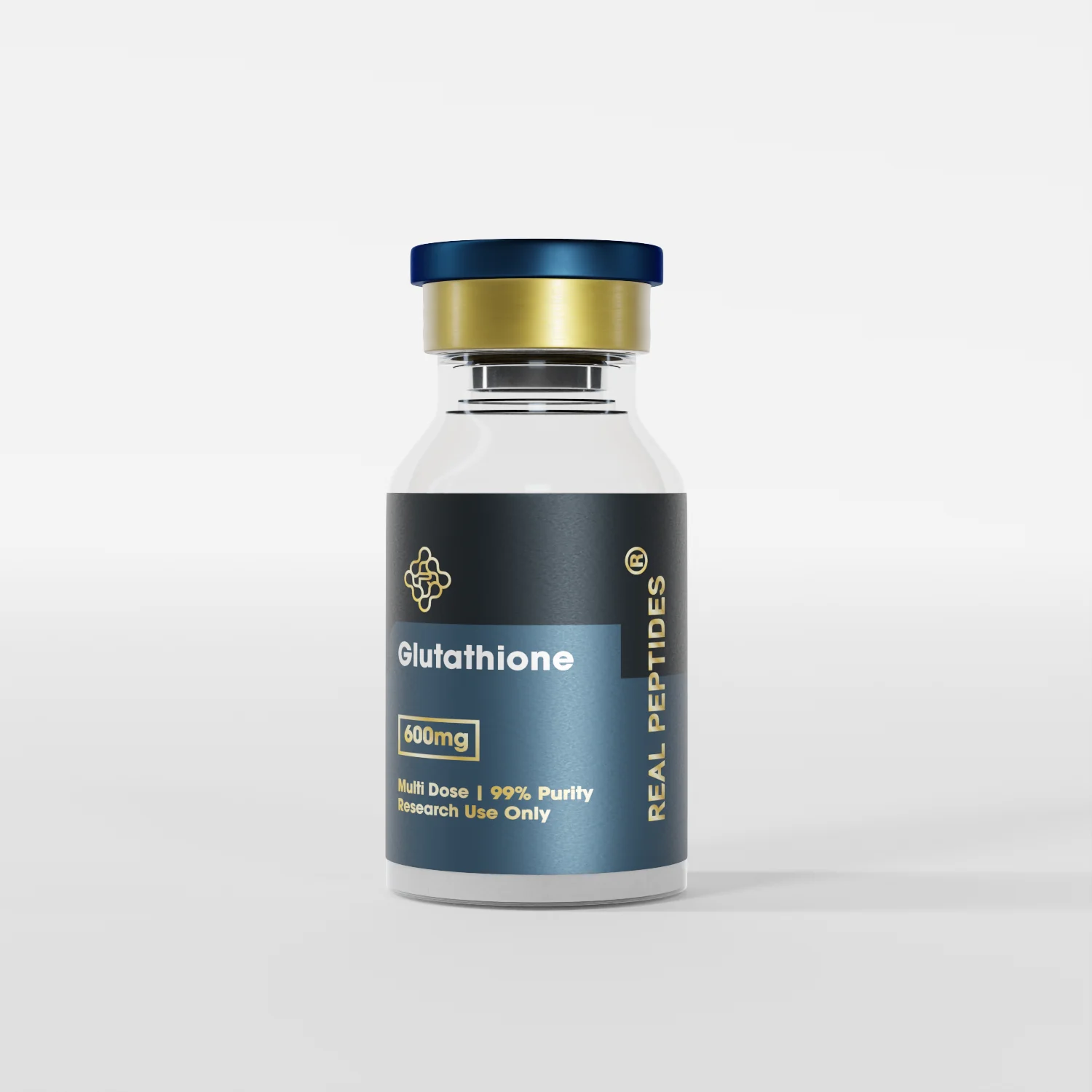
Glutathione Peptide

Glutathione research peptide — a major antioxidant studied for oxidative-stress support. Lab tested, COA published.

Lyophilized powder600mgThird-party COA
Details
Well-studied antioxidant molecule
Published COA per lot
Budget-friendly price
Research use only
Not an NAD+ product — related longevity compound
🚚 Free delivery on orders $250+
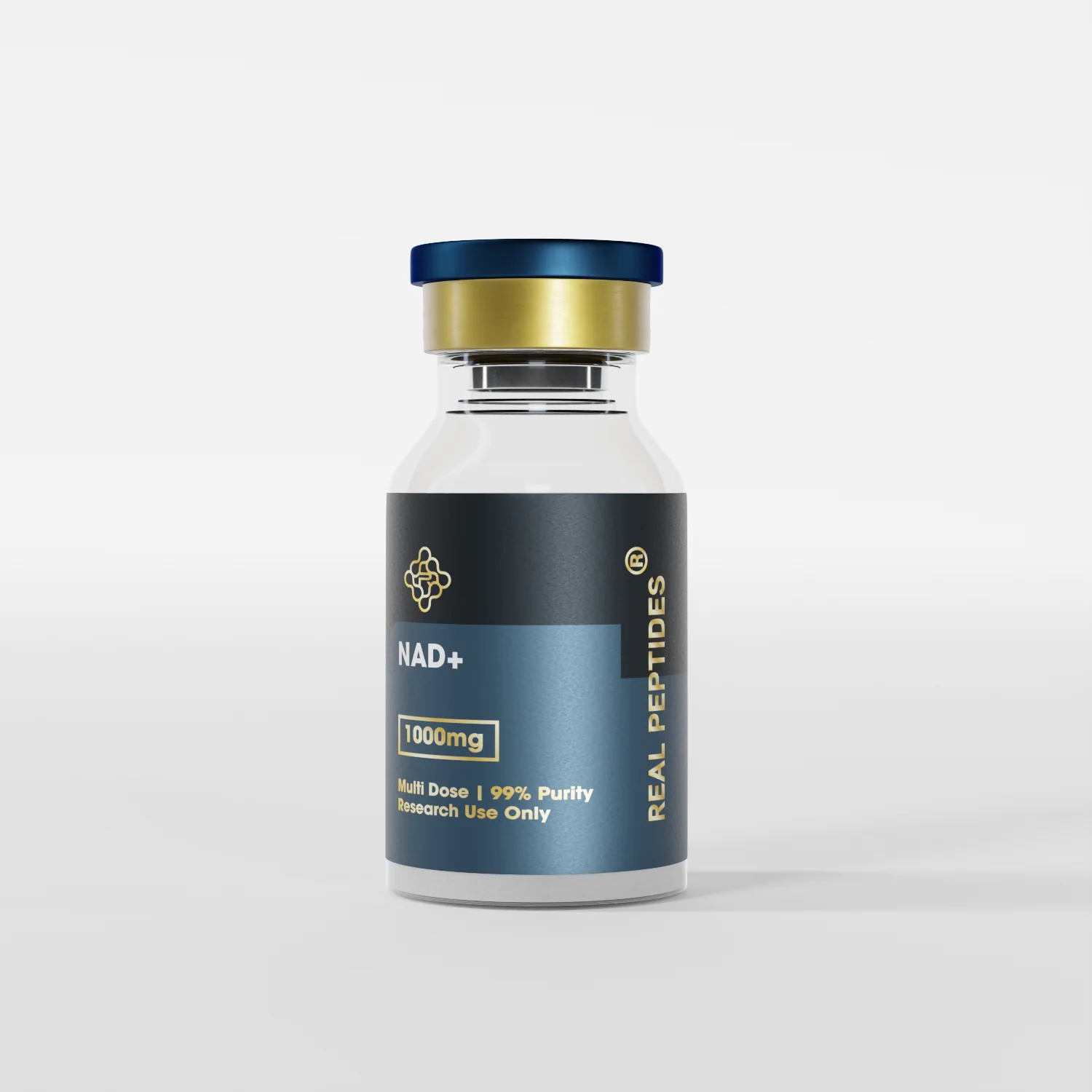
NAD+ oral glutathione - NAD+ Peptide (Multi-Dose Vial)
Real Peptides

NAD+ Peptide (Multi-Dose Vial)

NAD+ research peptide in a multi-dose vial. Independent lab tested with COA published per lot. Ships from US stock.

Lyophilized powderThird-party COAUS stock
Details
Published third-party COA
Affordable entry price
Multi-dose vial format
Research use only — not for human consumption
No physician consultation included
🚚 Free delivery on orders $250+

Quick comparison

ProductFormStrengthTestingShippingPrice
Real Peptides Glutathione PeptideLyophilized powder600mgThird-party COA—$40.80
Real Peptides NAD+ Peptide (Multi-Dose Vial)Lyophilized powder—Third-party COAUS stock$60.00

Oral glutathione is available as a dietary supplement and injectable glutathione is available in clinics and med-spas; however, neither method is approved by the FDA for skin and wellness benefits, as often advertised. The main question regarding oral glutathione is absorption: evidence is varied on how much of it is absorbed in food after swallowing.

This page makes a comparison between two different pathways based on what is currently known as well as research-grade powder that falls under a different category. I do not offer any instructions for usage for any pathway. If you are considering glutathione for yourself, you should consult with your physician.

What oral glutathione is

Contact glutathione comprises glutathione sold in capsules, tablets, or powders as a dietary supplement. Supplements are not viewed the same way by the authorities in regards to their regulation compared to the drugs: they do not need to go through FDA approval before marketing.

Often, labels will reflect “reduced glutathione.” This refers to the active antioxidant form of the molecule. Some supplement companies market other forms or methods of delivery as superior. The validity of these claims should be evaluated as carefully as others, as the evidence surrounding their actual absorption has yet to be established.

The absorption question

The central question associated with oral glutathione is whether or not it is able to withstand the process of digestion to be absorbed in a usable form in the body. The point is that glutathione is nothing but a tripeptide and many peptides disintegrate in the gastrointestinal tract into amino acids before they can be absorbed.

There are some studies on the use of oral glutathione that indicate both changes in the tested blood or tissue markers and no changes at all. This is what “mixed” means in practice. The variability among the products, dosage forms, as well as the design of the experimental protocols makes comparison of the outcomes difficult.

Thus, this isn't the evidence that oral use of glutathione is useless as well as the evidence that it works, rather it means that the matter remains in debate, as those who read 'fully destroyed' or 'totally absorbed' are reading opinions instead of evidence-based results.

The same caution applies to the body's own production. The body makes glutathione from glutamate, cysteine and glycine, which is part of why some products focus on building blocks instead. We explain the molecule on the what is glutathione page.

Injectable forms and what is not proven

While clinics claim a benefit to injectable glutathione because it doesn't go through the digestive system, the lack of gut involvement alone does not establish any positive effect. None of the injectable forms of glutathione have been tested, approved, or found effective in any clinical trial by the FDA for the sake of enhancing beauty or wellbeing.

Injections also add risks that swallowing a capsule does not: infection, allergic reactions and the uncertainty of products bought online. FDA has warned specifically about injectable skin-lightening products sold online. Our glutathione IV vs injection page compares the clinic formats.

Supplement, drug and research chemical

The two pathways in addition to investigative powder, correspond to three separate classifications of legality, meaning that each has a different message for the buyer about what has been verified.

RouteCategoryWho checks itMain limitation
Oral glutathioneDietary supplementNo pre-market FDA approvalAbsorption evidence mixed
Clinic injection or IVUnapproved for wellness or skin useLicensed clinician screens the patientBenefit not confirmed in controlled trials
Research powderResearch use onlyThird-party COA per lotNot for human consumption

The research powder on this site is the Real Peptides Glutathione Peptide, 600mg for $40.80, with a COA published for each lot. It is neither a supplement nor a clinic product, and it belongs only in a lab. Details are on the glutathione peptide page.

How to read an oral glutathione label

An oral glutathione label is most useful for what it tells you about form, testing and claims, so read those three things first.

  1. Form: does it say reduced glutathione, or a different form or blend?
  2. Testing: does the brand name an independent lab or offer a certificate of analysis?
  3. Claims: does it promise skin lightening or disease treatment? Supplements may not make disease claims, and a label that does is a warning sign.
  4. Other ingredients: blends make it hard to know what any single ingredient does.

A clean label is not proof the product works, only that it is described honestly. If you take other medications or have a health condition, check with your doctor or pharmacist before adding any supplement. For the claims behind both routes, see claims vs evidence.

ℹ️
How we review. We compare each product on the vendor’s own page on the date shown: price, vial size, price per mg, stated purity and whether a batch-specific COA from a third-party lab is published. We do not run lab tests ourselves and we do not test peptides on people. Rankings are updated when prices or COAs change. Last checked: November 2026.
⚠️
Disclaimer. For research and informational purposes only. Not medical advice. Injectable glutathione is not approved by the FDA for human use and is sold for laboratory research only. Some links are affiliate links; they do not change our rankings.

Deep dive

Oral glutathione is available as a dietary supplement and injectable glutathione is available in clinics and med-spas; however, neither method is approved by the FDA for skin and wellness benefits, as often advertised. The main question regarding oral glutathione is absorption: evidence is varied on how much of it is absorbed in food after swallowing.

This page makes a comparison between two different pathways based on what is currently known as well as research-grade powder that falls under a different category. I do not offer any instructions for usage for any pathway. If you are considering glutathione for yourself, you should consult with your physician.

Contact glutathione comprises glutathione sold in capsules, tablets, or powders as a dietary supplement. Supplements are not viewed the same way by the authorities in regards to their regulation compared to the drugs: they do not need to go through FDA approval before marketing.

Often, labels will reflect “reduced glutathione.” This refers to the active antioxidant form of the molecule. Some supplement companies market other forms or methods of delivery as superior. The validity of these claims should be evaluated as carefully as others, as the evidence surrounding their actual absorption has yet to be established.

The central question associated with oral glutathione is whether or not it is able to withstand the process of digestion to be absorbed in a usable form in the body. The point is that glutathione is nothing but a tripeptide and many peptides disintegrate in the gastrointestinal tract into amino acids before they can be absorbed.

There are some studies on the use of oral glutathione that indicate both changes in the tested blood or tissue markers and no changes at all. This is what “mixed” means in practice. The variability among the products, dosage forms, as well as the design of the experimental protocols makes comparison of the outcomes difficult.

Thus, this isn't the evidence that oral use of glutathione is useless as well as the evidence that it works, rather it means that the matter remains in debate, as those who read 'fully destroyed' or 'totally absorbed' are reading opinions instead of evidence-based results.

The same caution applies to the body's own production. The body makes glutathione from glutamate, cysteine and glycine, which is part of why some products focus on building blocks instead. We explain the molecule on the what is glutathione page.

While clinics claim a benefit to injectable glutathione because it doesn't go through the digestive system, the lack of gut involvement alone does not establish any positive effect. None of the injectable forms of glutathione have been tested, approved, or found effective in any clinical trial by the FDA for the sake of enhancing beauty or wellbeing.

Injections also add risks that swallowing a capsule does not: infection, allergic reactions and the uncertainty of products bought online. FDA has warned specifically about injectable skin-lightening products sold online. Our glutathione IV vs injection page compares the clinic formats.

The two pathways in addition to investigative powder, correspond to three separate classifications of legality, meaning that each has a different message for the buyer about what has been verified.

RouteCategoryWho checks itMain limitation
Oral glutathioneDietary supplementNo pre-market FDA approvalAbsorption evidence mixed
Clinic injection or IVUnapproved for wellness or skin useLicensed clinician screens the patientBenefit not confirmed in controlled trials
Research powderResearch use onlyThird-party COA per lotNot for human consumption

The research powder on this site is the Real Peptides Glutathione Peptide, 600mg for $40.80, with a COA published for each lot. It is neither a supplement nor a clinic product, and it belongs only in a lab. Details are on the glutathione peptide page.

🙋 Oral vs Injectable Glutathione: Absorption and Evidence — FAQ

Is oral glutathione absorbed?
The evidence on how much oral glutathione the body absorbs is mixed, so confident claims either way are opinion rather than settled science.
Does injectable glutathione work better than oral?
Injection bypasses digestion, but that does not prove a benefit. No injectable glutathione is FDA-approved for wellness or skin use.
What should I check on an oral glutathione label?
Check the form, whether an independent lab tested it, and whether it makes disease or skin-lightening claims, which supplements may not make.

🛒 Ready to buy?

See our current top oral glutathione.

Compare glutathione options