Antioxidant
Glutathione storage for research vials: what the label and COA tell you, arrival checks, lot matching, rules for lyophilized powder and common mistakes.
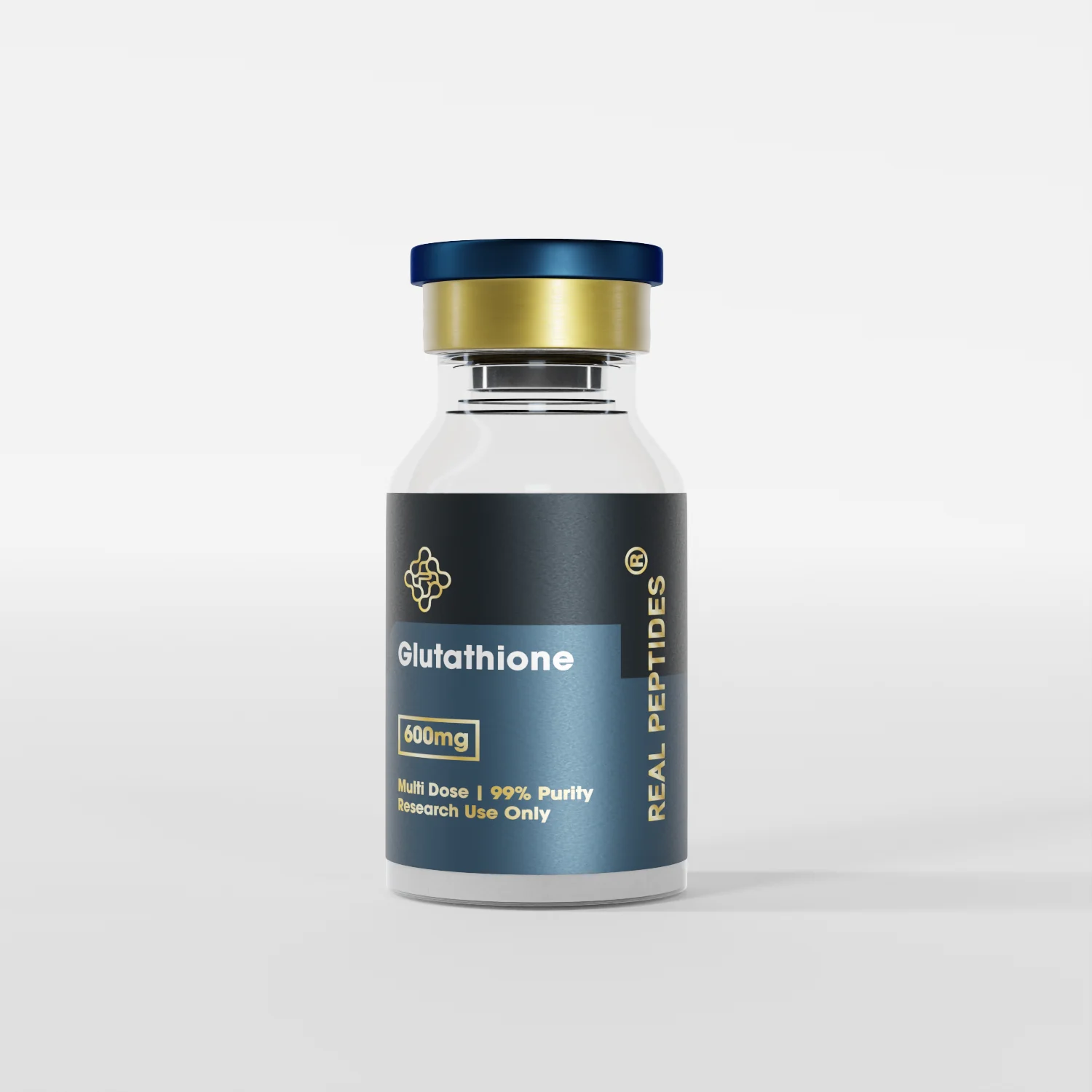
The vial of glutathione from Real Peptides is packed in 600mg of dried powder along with a lot-specific certified of analysis. The vial of glutathione is sent in the powdered form which is the most stable state a research substance can be sent. In order for the powdered form of the glutathione to stay stable the vial must remain intact and dry.
This page explains how to ascertain everything when a vial arrives, what process to follow in order to match the vial with the relevant documentation and what storage practices can be utilized in order to keep the research supplies safe. It only refers to the sealed vials. We do not mention how to prepare or mix the product and this product is made for research purposes only.
The label will provide you with four necessary storage and recordkeeping details: the chemical substance, the potency, the identification number and all relevant storage or date-related information from the manufacturer. In this case, the potency of this product should be expressed as 600mg and its form as a lyophilized powder.
The lot number holds the most importance. It associates the vial with a COA and with a specific batch. If you keep some vials from different orders, the lot number indicates how to separate them after months.
Excellent storage of glutathione is initiated by ensuring that the label has been read before taking out the vial. If there is such a thing as a label that indicates storage conditions, follow the instructions. If there is no label, check with the vendor before placing the vial on the shelf.
The first thing that I check upon getting the vial is whether the vial is sealed. If the seal is damaged, the vial is deemed unusable for research purposes. It is the same procedure for every delivery I receive.
Liquid products require additional scrutiny. People comment in their reviews regarding Real Peptides specifically mentioning leakage and undersfil products that are liquid in nature. Thus, any person making any kind of order for NAD+ spray together with glutathione needs to inspect the same carefully.
confirming whether the certificate refers to your material, comparing the lot number on the vial with the lot number on the COA remains the only alternative. Specific COA cannot be evidence of the contents in your vial if it refers to another lot.
Keep a simple log: date received, product, lot number, COA reference and where the vial is stored. It takes a minute and saves confusion later, especially when the same product arrives in more than one lot. Mislabeled vials appear in some public complaints about research vendors, and a log is how you catch them. More on reading certificates is on the glutathione peptide page.
Typically, lyophilized research powders are kept sealed, COOLED, and DRY in a safe environment that blocks the impact of sunlight, following specific instructions provided by the vendor. The main threats to the stability of freeze-dried products are moisture and heat; hence, it is important to keep them in storage conditions restricting the effect of both factors.
| Factor | Why it matters | What to do |
|---|---|---|
| Moisture | Freeze-dried powder absorbs water from the air | Keep the vial sealed until a protocol needs it |
| Heat | Warmth can speed up breakdown | Store as the label directs, away from heat sources |
| Light | Some compounds degrade under light | Keep vials in their box or a dark container |
| Temperature swings | Repeated warming and cooling adds condensation | Choose one storage spot and leave the vial there |
Glutathione storage follows the same logic as any freeze-dried research powder. The same habits apply to the other powders on this site, such as MOTS-c and epithalon. Our longevity research compounds page lists them.
One of the most frequent storage errors is opening a vial prematurely "to see what is inside," which unnecessarily puts the dry powder in contact with oxygen and humidity. A closed vial and a good label provide all the information one would gain from visual checking.
Order size and storage are linked. Real Peptides ships free in the US on orders over $250, which tempts buyers to over-order. Seven glutathione vials reach that line at $285.60, but only buy that many if the project will use them. The order math is on the cost page. Remember that this is a research chemical, not FDA-approved for any human use.
The vial of glutathione from Real Peptides is packed in 600mg of dried powder along with a lot-specific certified of analysis. The vial of glutathione is sent in the powdered form which is the most stable state a research substance can be sent. In order for the powdered form of the glutathione to stay stable the vial must remain intact and dry.
This page explains how to ascertain everything when a vial arrives, what process to follow in order to match the vial with the relevant documentation and what storage practices can be utilized in order to keep the research supplies safe. It only refers to the sealed vials. We do not mention how to prepare or mix the product and this product is made for research purposes only.
The label will provide you with four necessary storage and recordkeeping details: the chemical substance, the potency, the identification number and all relevant storage or date-related information from the manufacturer. In this case, the potency of this product should be expressed as 600mg and its form as a lyophilized powder.
The lot number holds the most importance. It associates the vial with a COA and with a specific batch. If you keep some vials from different orders, the lot number indicates how to separate them after months.
Excellent storage of glutathione is initiated by ensuring that the label has been read before taking out the vial. If there is such a thing as a label that indicates storage conditions, follow the instructions. If there is no label, check with the vendor before placing the vial on the shelf.
The first thing that I check upon getting the vial is whether the vial is sealed. If the seal is damaged, the vial is deemed unusable for research purposes. It is the same procedure for every delivery I receive.
Liquid products require additional scrutiny. People comment in their reviews regarding Real Peptides specifically mentioning leakage and undersfil products that are liquid in nature. Thus, any person making any kind of order for NAD+ spray together with glutathione needs to inspect the same carefully.
confirming whether the certificate refers to your material, comparing the lot number on the vial with the lot number on the COA remains the only alternative. Specific COA cannot be evidence of the contents in your vial if it refers to another lot.
Keep a simple log: date received, product, lot number, COA reference and where the vial is stored. It takes a minute and saves confusion later, especially when the same product arrives in more than one lot. Mislabeled vials appear in some public complaints about research vendors, and a log is how you catch them. More on reading certificates is on the glutathione peptide page.
Typically, lyophilized research powders are kept sealed, COOLED, and DRY in a safe environment that blocks the impact of sunlight, following specific instructions provided by the vendor. The main threats to the stability of freeze-dried products are moisture and heat; hence, it is important to keep them in storage conditions restricting the effect of both factors.
| Factor | Why it matters | What to do |
|---|---|---|
| Moisture | Freeze-dried powder absorbs water from the air | Keep the vial sealed until a protocol needs it |
| Heat | Warmth can speed up breakdown | Store as the label directs, away from heat sources |
| Light | Some compounds degrade under light | Keep vials in their box or a dark container |
| Temperature swings | Repeated warming and cooling adds condensation | Choose one storage spot and leave the vial there |
Glutathione storage follows the same logic as any freeze-dried research powder. The same habits apply to the other powders on this site, such as MOTS-c and epithalon. Our longevity research compounds page lists them.